Money Matters
When embarking on an African safari, one essential consideration is how much cash to bring. The various currencies can be confusing, especially when factoring in gratuities and market bartering. Understanding the financial aspects of your safari is crucial to ensure a smooth and enjoyable experience.
How Much Money Do I Require?
Most higher-end African safaris typically include meals, drinks, activities, and park fees in the package, but this varies based on your itinerary. For budget safaris, you might need to contribute to a food kitty (the amount will be specified in your trip notes) and purchase supplies locally with your guide. You should also be prepared for additional costs, such as meals and drinks not included in your package.
Regardless of whether you opt for a luxury or budget safari, you will likely need spending money for two main categories:
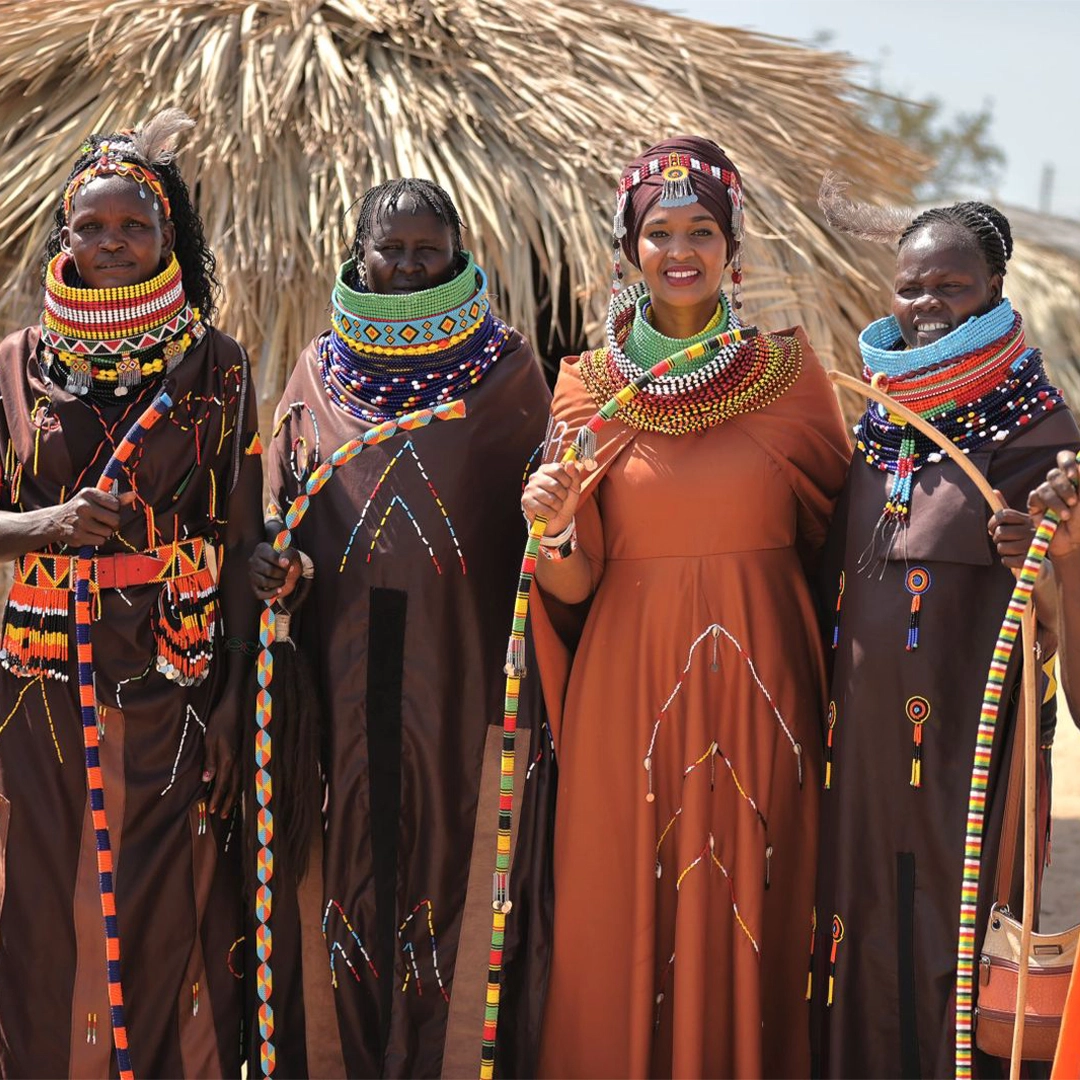
- Meals, Drinks, and Activities: While all-inclusive safaris cover many expenses, you may still want to purchase local crafts, souvenirs, or enjoy meals outside your itinerary. Many lodges have shops featuring beautiful African crafts and jewellery, which can enhance your safari experience and support local communities.
- Additional Costs: On budget safaris, be aware of the meals and drinks that might not be included. You’ll want to budget extra cash for these expenses, as they can add up quickly.
For services like lodges, camps, hotels, and restaurants in urban areas, you can typically pay with Visa or MasterCard. However, be aware that American Express and Diners Club cards are generally not accepted in Africa.
Tipping and Gratuities
Tipping in cash is a customary practice in Africa, though it’s entirely optional. Feel free to tip according to your satisfaction with the service provided. Before your journey, our knowledgeable team at Crystal Tours and Travel can provide specific recommendations for tipping during your safari.
What Type of Cash Should I Bring?
In Africa, US dollars (USD) reign supreme as the most commonly accepted currency. ATMs are available throughout East and Southern Africa (except Zimbabwe), but they do not dispense US dollars. In fact, most locals rely on mobile banking rather than ATMs.
Most places you visit will accept USD cash, so it’s advisable to order your US dollars before leaving New Zealand. When ordering, request smaller notes from the post-2013 series, as these will be useful for tipping and everyday purchases. You won’t be able to break larger USD bills into smaller ones while on safari.
Major credit cards (MasterCard and Visa) are also handy for expenses such as restaurant meals and purchases in major towns and cities. However, they may not be accepted in smaller markets or towns. Small craft traders typically prefer USD cash or local currency.
Kenya: In Kenya, the local currency is the Kenyan Shilling (KES). While some places may accept USD, it’s advisable to carry KES for local markets and smaller transactions. ATMs are widely available in major cities and tourist areas.
Tanzania: In Tanzania, the Tanzanian Shilling (TZS) is the local currency. Similar to Kenya, while USD is widely accepted, especially in tourist areas, having TZS on hand for local markets is beneficial. ATMs are available in urban areas, but rural regions may have limited access.
Ethiopia: Ethiopia uses the Ethiopian Birr (ETB) as its local currency. USD is not as commonly accepted here, so it’s important to carry ETB for your purchases. Currency exchange services are available at airports and major cities, and ATMs can be found in urban areas.
South Africa: In South Africa, you should use the South African Rand (ZAR), which you can obtain before departure or from ATMs upon arrival.
Namibia: The Namibian Dollar (ND$) is linked 1-to-1 with the Rand (ZAR), so no conversion is necessary. While ND$ is legal tender in Namibia, it has no value outside the country. If you’re not visiting South Africa before Namibia, it’s wise to bring some ZAR or withdraw ND$ at an ATM in Windhoek. Ensure you spend all your ND$ before leaving Namibia.
How Much Spending Money Should I Take?
Determining how much spending money to bring can be challenging, as it largely depends on the type of safari you’ve booked and your shopping habits.
- For higher-end safaris, most costs are included in your package, so less cash will be necessary.
- If you’re on a small group budget tour, you’ll need either to bring USD to exchange for local currency or withdraw local currency from an ATM upon arrival.
If you have specific questions regarding the travel plans you’ve booked with us, please don’t hesitate to reach out. At Crystal Tours and Travel, we are here to ensure your safari experience is memorable and seamless.