When planning an African safari, understanding the differences between high and low seasons is crucial. These seasons primarily revolve around rainfall patterns:
High Season (Dry Season)
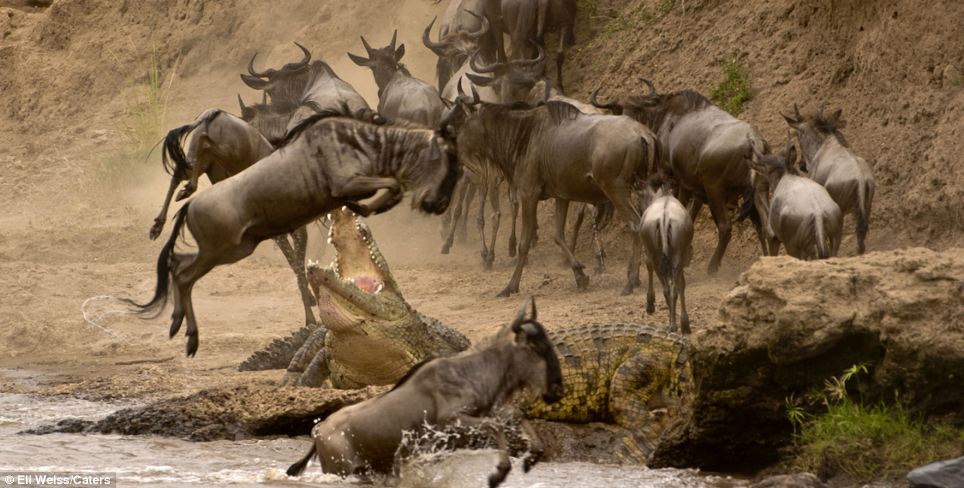
- Best Game Viewing: Animals congregate around limited water sources, making sightings more frequent.
- Accessibility: Most remote areas are accessible, and all mobile camps are operational.
- Pricing: This is the most expensive time to travel, with high visitor numbers, particularly in popular parks like the Serengeti and Kruger.
Low Season (Wet Season)
- Lower Prices: Travel costs are generally reduced, and special deals may be available.
- Fewer Visitors: Expect less crowded parks and more personal experiences.
- Wildlife Changes: Animals may be more dispersed due to available water, making sightings a bit more challenging, but this also makes spotting them more rewarding.
Additional Considerations
- Weather: Rainfall can affect accessibility and some activities, but it usually doesn’t last all day.
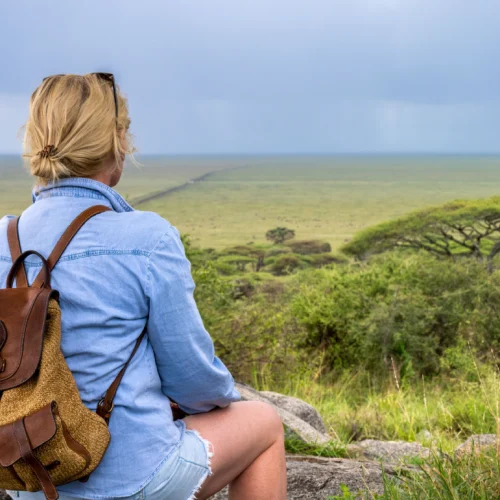
- Photography: Dramatic skies during rainstorms offer fantastic photography opportunities.
Ultimately, each season offers unique experiences, so choose based on your preferences for wildlife viewing, weather, and budget.
Book Your Tailor-made Safari
Book your dream Safari today on info@crystaltourskenya.com for discounted offers.