If you’re looking to explore northern Kenya in February for a self-drive adventure, you’re in for a unique and rewarding experience! Traveling for 7 nights and 8 days, especially if you’re a fan of a more relaxed, flexible trip, can offer a great way to enjoy the country’s diverse landscapes, wildlife, and culture.
Itinerary Ideas: Hells Gate, Mount Kenya, and Lake Nakuru
The area north of Nairobi, including places like Hells Gate National Park, Mount Kenya, and Lake Nakuru National Park, offers a great mix of adventure, scenery, and wildlife. Here’s a breakdown of what you can expect in February:
- Hells Gate National Park: Known for its dramatic landscapes, geothermal activity, and opportunities for walking and cycling, this park is ideal for outdoor lovers. While it may be warm during February, it’s not unbearably hot. You can enjoy cycling, hiking, and even rock climbing. The park is also home to some wildlife like giraffes, zebras, and buffaloes, though it’s not a traditional safari destination for large predators.
- Mount Kenya: This majestic peak offers a cooler retreat and provides a variety of trekking and walking opportunities. If you’re looking for scenic drives, this area is perfect. You can enjoy the lush montane forests and alpine meadows, with the possibility of spotting wildlife like elephants, buffaloes, and monkeys, depending on where you stay.
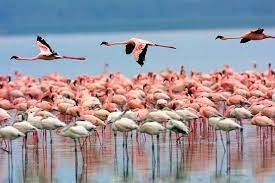
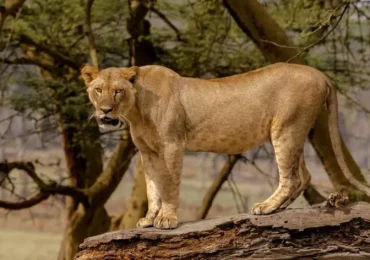
- Lake Nakuru National Park: Famous for its flamingos and diverse wildlife, including rhinos and lions, this park is a must-see for animal lovers. It’s a great place to enjoy game drives and also relax by the lake. The weather in February should be warm, but the park’s altitude helps moderate the heat.
February Weather Considerations
February in Kenya is typically warm, as it falls within the short dry season before the long rains in March. In the north, temperatures can range from 25°C to 30°C (77°F to 86°F), with cooler mornings and evenings, especially in higher-altitude areas like Mount Kenya. While it’s not too hot for outdoor activities, you should be prepared for sun, especially during the day. It’s advisable to carry plenty of water, sunblock, and a hat to stay comfortable.
Budget and Accommodation
A budget of £200 per night for accommodation is possible, but it will depend on your choices. While Kenya is generally more expensive for self-drives compared to other African destinations, you can still find affordable options in terms of lodges, campsites, and mid-range hotels.
- Hells Gate: There are affordable campsites within the park if you’re keen to experience nature more closely, but there are also budget-friendly lodges nearby.
- Mount Kenya: While there are luxurious resorts, you can also find more affordable accommodation options, such as basic lodges or eco-friendly campsites.
- Lake Nakuru: There are several lodges and camps that offer reasonable rates, especially if you’re staying outside the main gate or in nearby towns.
If you’re keen on keeping your costs down, consider booking self-catering accommodations or smaller guesthouses, where you’ll have more flexibility.
Wildlife and Scenery
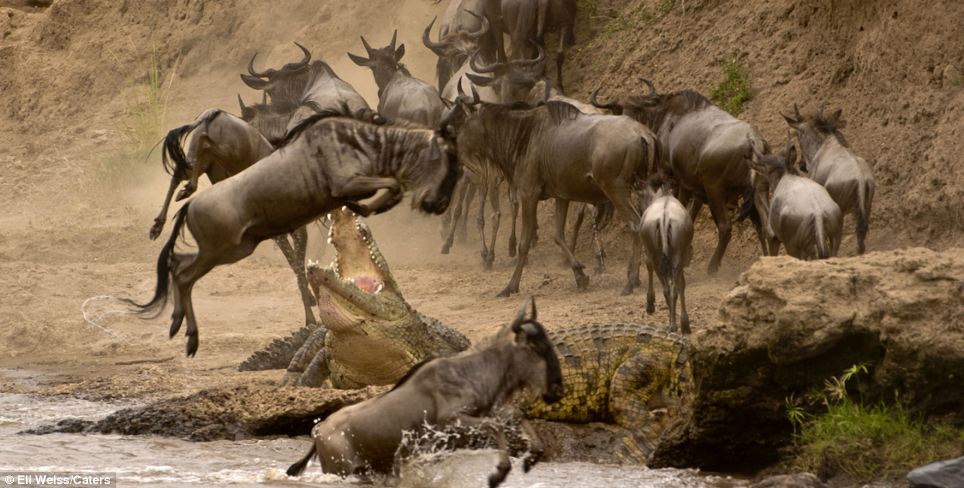
You’ll have opportunities to see a variety of animals, particularly in Lake Nakuru and around Mount Kenya. While the wildlife viewing may not be as extensive as in the southern parks (like the Masai Mara), you’ll still be able to spot rhinos, giraffes, zebras, buffaloes, and perhaps even lions. Hells Gate, although not known for big game, offers plenty of opportunities to see smaller animals and stunning landscapes.
Is February the Right Time?
Yes! February is actually a great time to visit as it’s relatively dry, meaning the roads should be more accessible, and animals are easier to spot near water sources. However, keep in mind that some parks, like Hells Gate, can get quite hot during midday. Starting early for activities or opting for evening game drives can help avoid the heat.
Tips for Self-Driving
- Road Conditions: The roads around Nairobi and to these destinations can be challenging, especially when you get out of the city. You’ll encounter a mix of tarmacked and rough, gravel roads, so it’s essential to have a reliable 4×4 vehicle.
- Navigation: While Kenya has a solid road network, the signage in rural areas may not be as clear, so having a GPS or using a good offline map app will help.
- Security: Although the routes you’ll be taking are generally safe, it’s always best to check with local authorities or your accommodation about current road conditions or potential risks.
- Local Support: If you’re not comfortable with driving in unfamiliar conditions or areas, consider hiring a local guide or driver to accompany you, especially if it’s your first time self-driving in Kenya.
Alternatives to Consider
If you’re willing to consider other countries for your self-drive adventure, places like Malawi are also excellent alternatives. Known for its scenic beauty, Lake Malawi offers stunning views and is more budget-friendly compared to Kenya. It’s also a great spot for both relaxation and wildlife, with plenty of options for water activities.
Final Thoughts
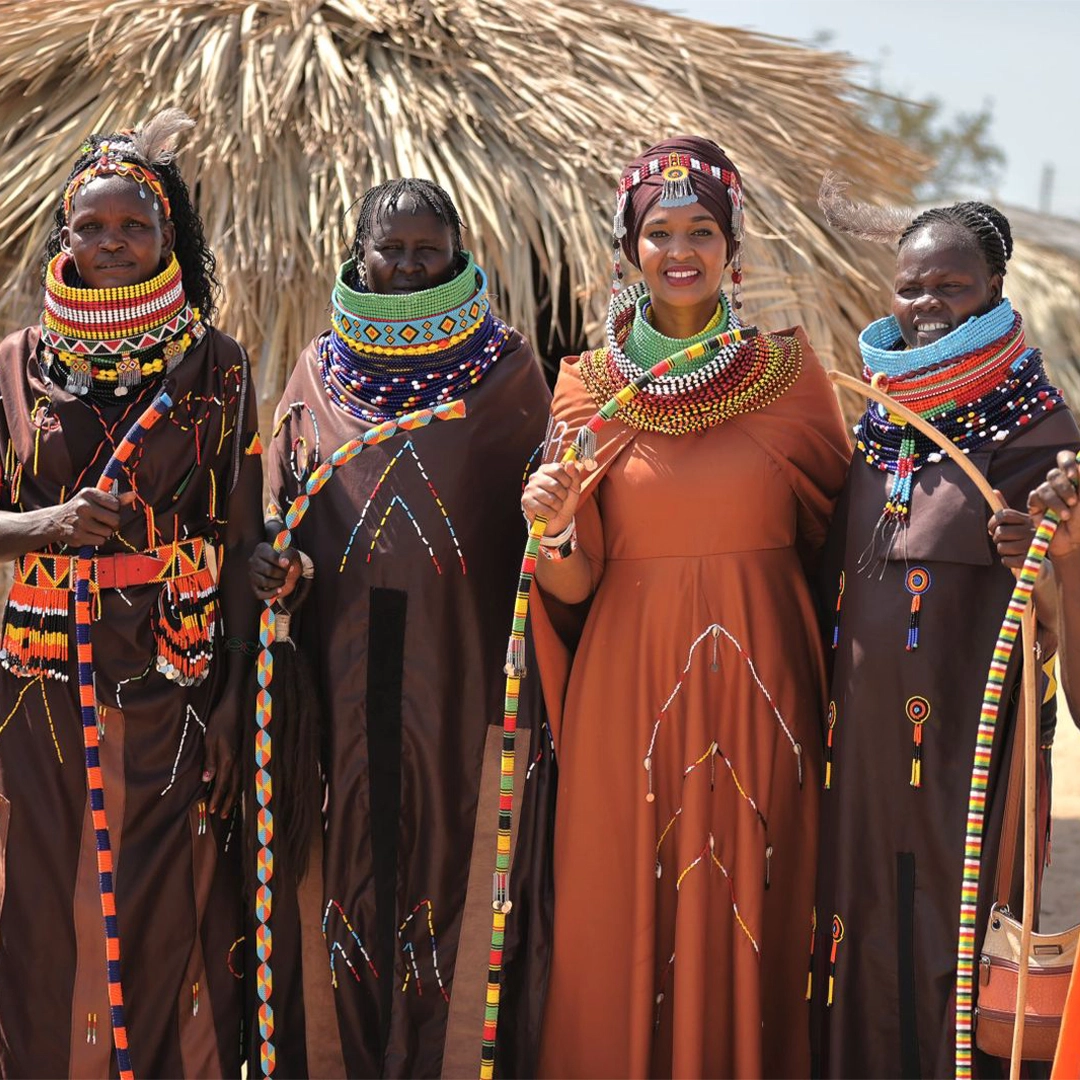
A 7-night self-drive trip north of Nairobi in February is definitely possible and will give you a great blend of nature, wildlife, and local culture. Whether you’re hiking up Mount Kenya, cycling in Hells Gate, or enjoying a game drive in Lake Nakuru, there’s plenty to keep you busy. With a budget of £200 per night for accommodation, you can certainly make it work, especially if you’re flexible with your lodging choices.
Make sure to plan ahead for the best routes, book your accommodations early, and keep an eye on the weather to ensure a smooth and enjoyable experience. Happy travels!